

The lighting for your wedding: A key element!
Light is the most important element in wedding photography. It influences the atmosphere, the softness of the images, the colors, the emotion, and even the perception of luxury. It is also a key factor to consider when choosing your photographer. Ask to see different weddings shot in a variety of lighting conditions. A good photographer will be able to adapt to any situation.
No matter the location, season, or style of your day, the light will shape the final look of your memories.
Here's why it deserves your full attention.
Why does light completely change the look of your photos?
In photography, light is not just a technical detail. It creates the atmosphere.
It influences:
skin texture
the softness of shadows
image depth
the warm or dramatic feeling
the elegance of the final result
Soft, natural light produces bright, timeless, and refined images. Conversely, harsh or artificial light can create a more pronounced contrast and transform the atmosphere.
It is also important to consider the difference between a very sunny day and a cloudy day. If you only look at photos taken in bright sunlight, but your wedding ends up taking place under cloudy skies, the result will be different.
Each type of light has its own beauty, but it is essential to be aware of this when planning and choosing your photographer.
Lighting during preparations
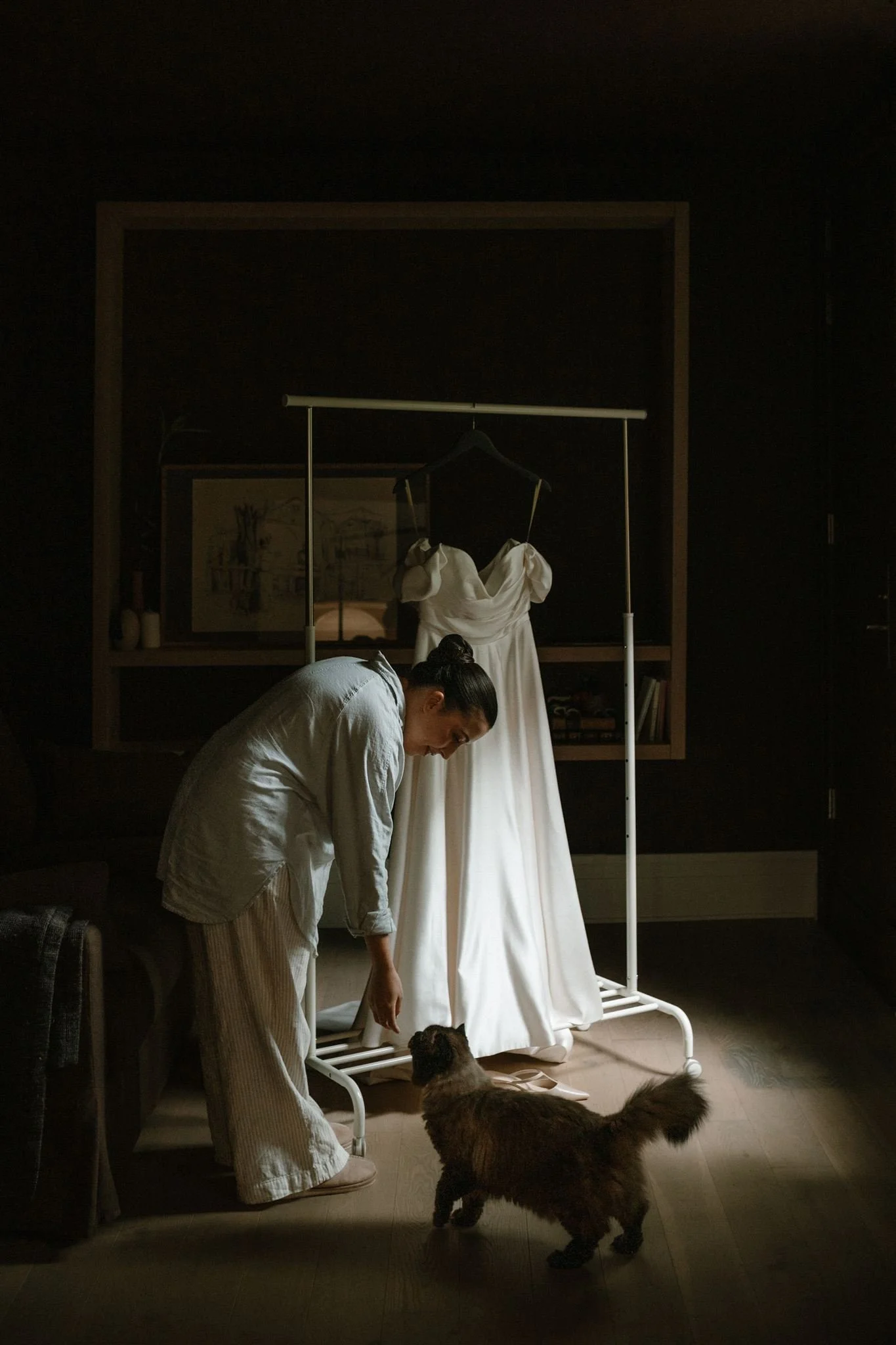
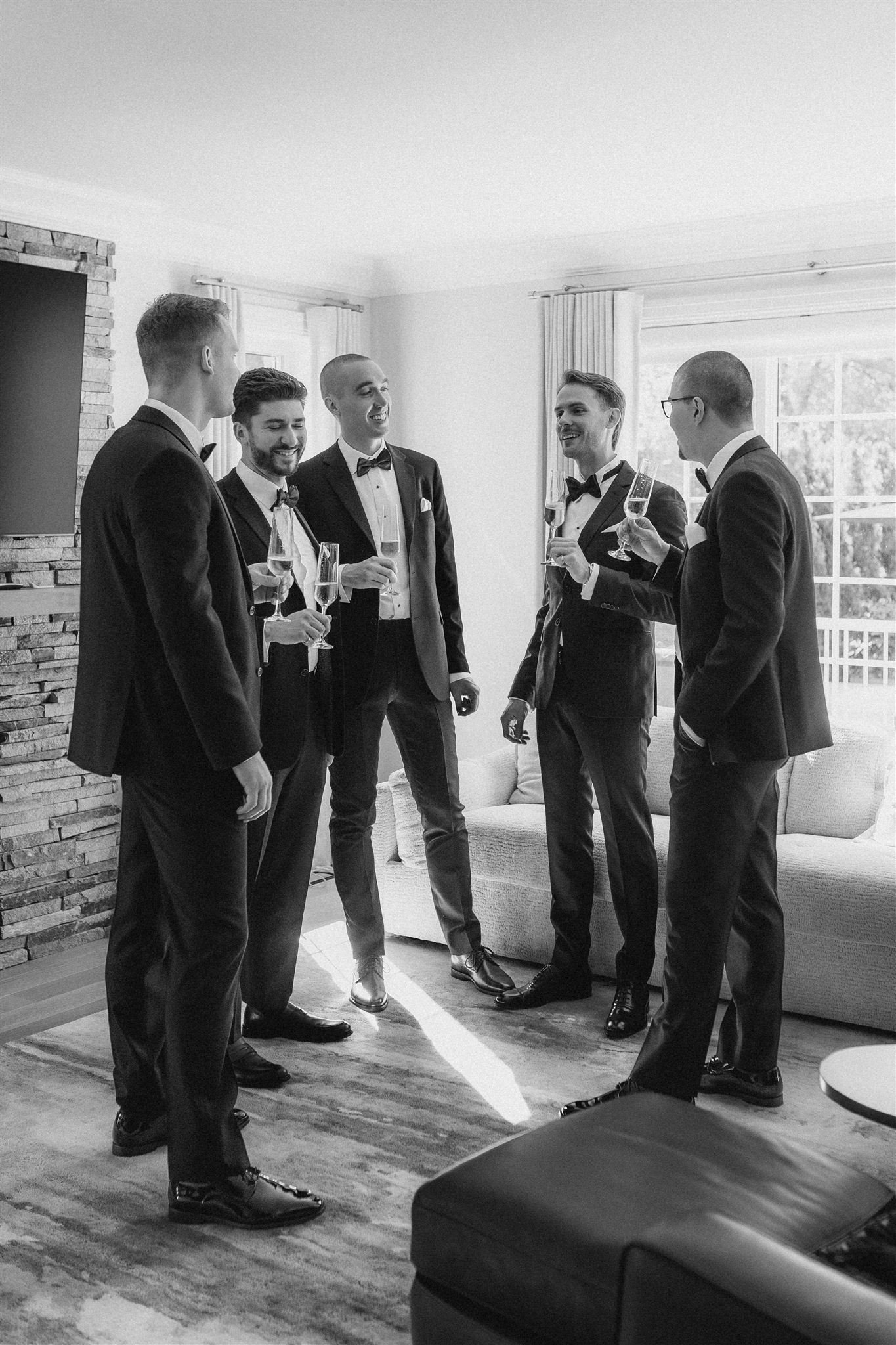
The place where you get ready is often the first environment photographed during the day. It sets the visual tone for your gallery and immediately influences the mood of the images.
Prioritize:
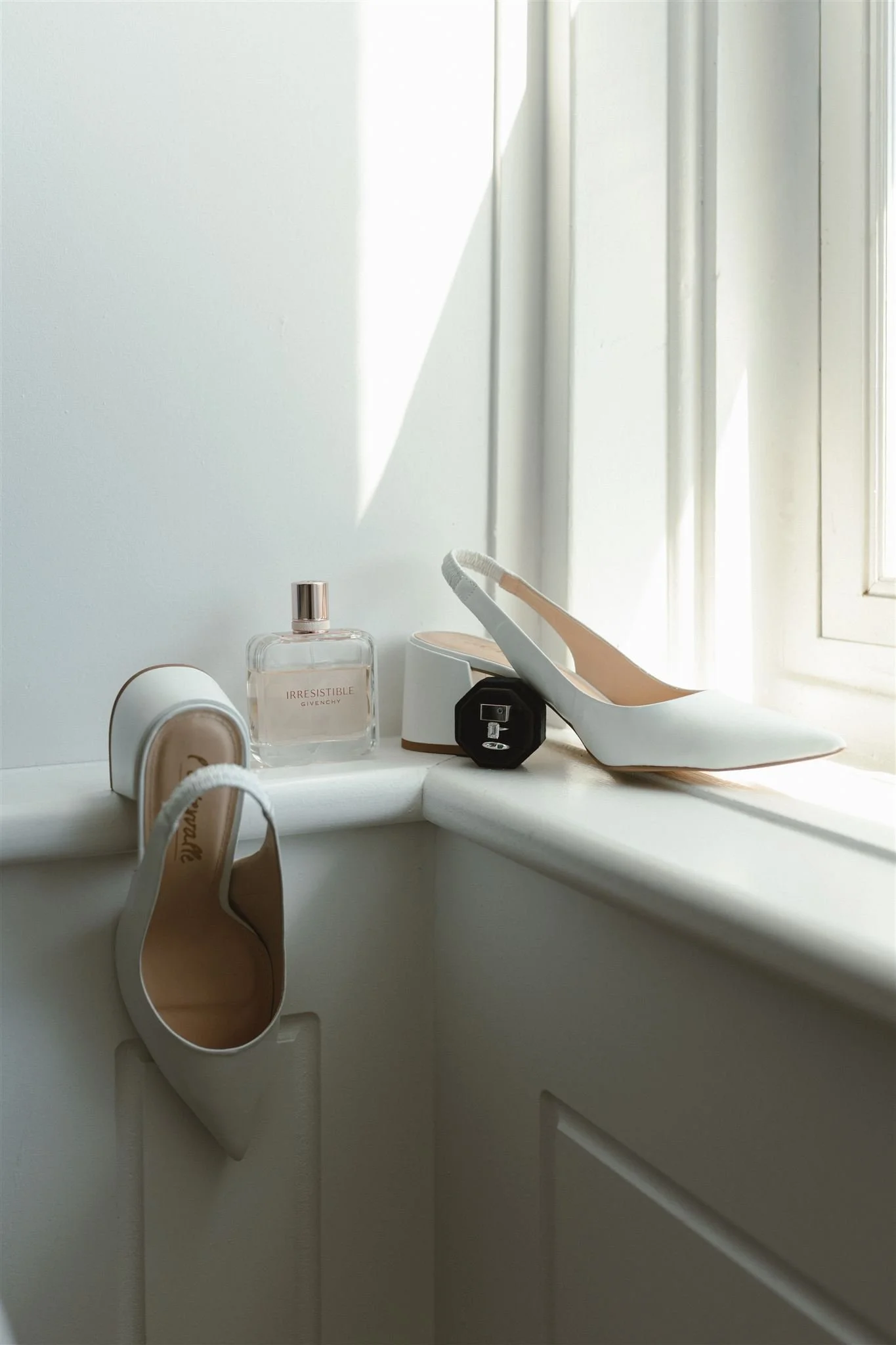
bright and airy spaces
large windows that let in plenty of natural light
walls in neutral tones (white, cream, beige, light gray)
a clear and minimalist environment
The natural light coming in through the windows creates an incomparable softness on the skin and highlights delicate textures such as the dress, veil, makeup, and accessory details. It adds depth and elegance without weighing down the image.
Conversely, a dark, cluttered room or one lit only by artificial light can visually weigh down photos and create harsh shadows.
Even small adjustments, such as moving a chair, clearing a table, or turning off certain artificial lights, can completely transform the final result.
The light during the ceremony
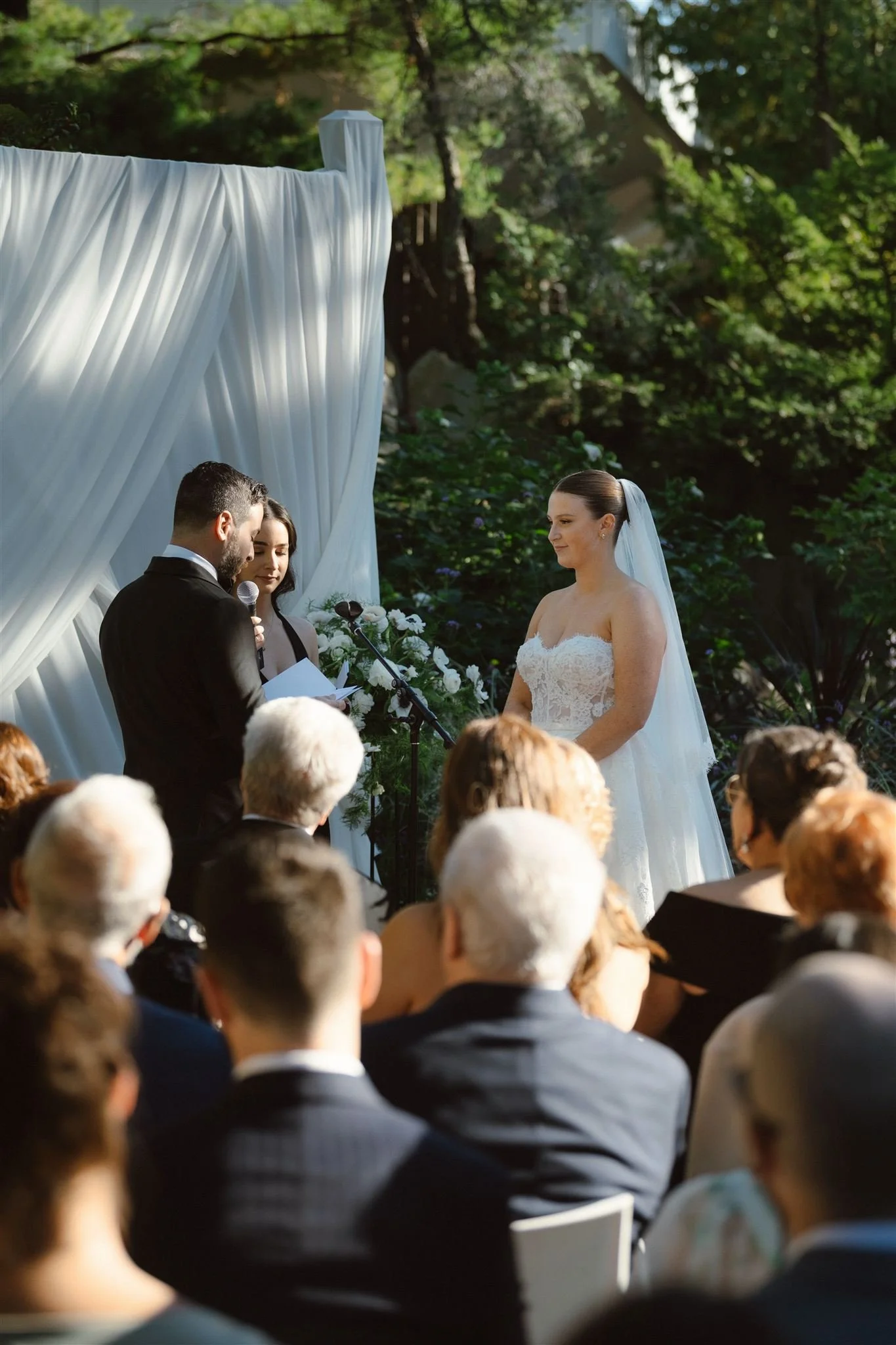
Whether your ceremony is outdoors or indoors, lighting plays a central role.
Outdoors, it is important to observe:
sun orientation
the presence of natural shade
light direction
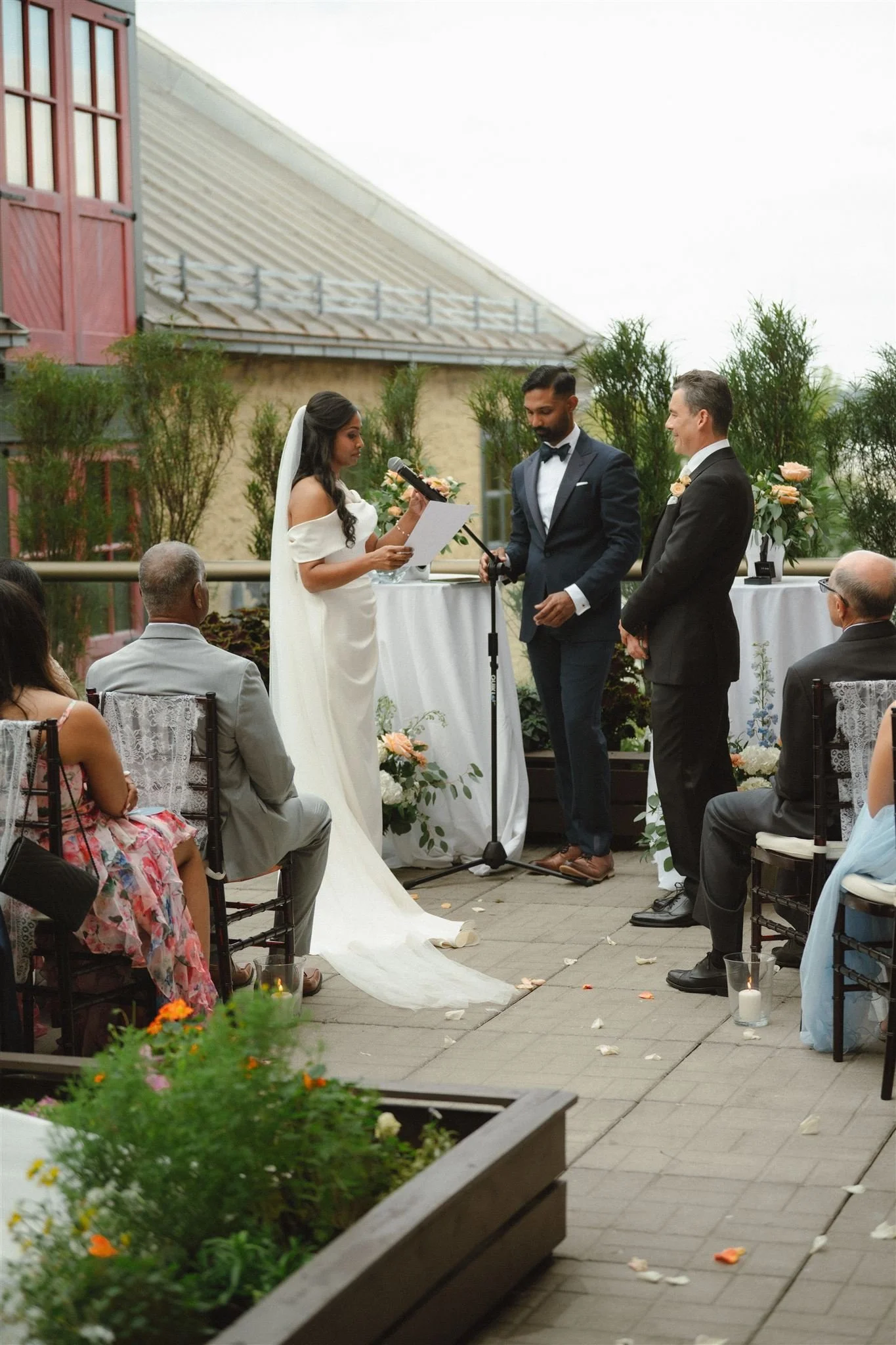
A partially shaded location often provides a softer effect than direct, strong sunlight, while also being more comfortable for you. The play of shadows is also worth paying attention to: depending on the position of the sun, one person may be completely in shadow while another is in full sunlight. This detail can radically change the final effect of your photos.
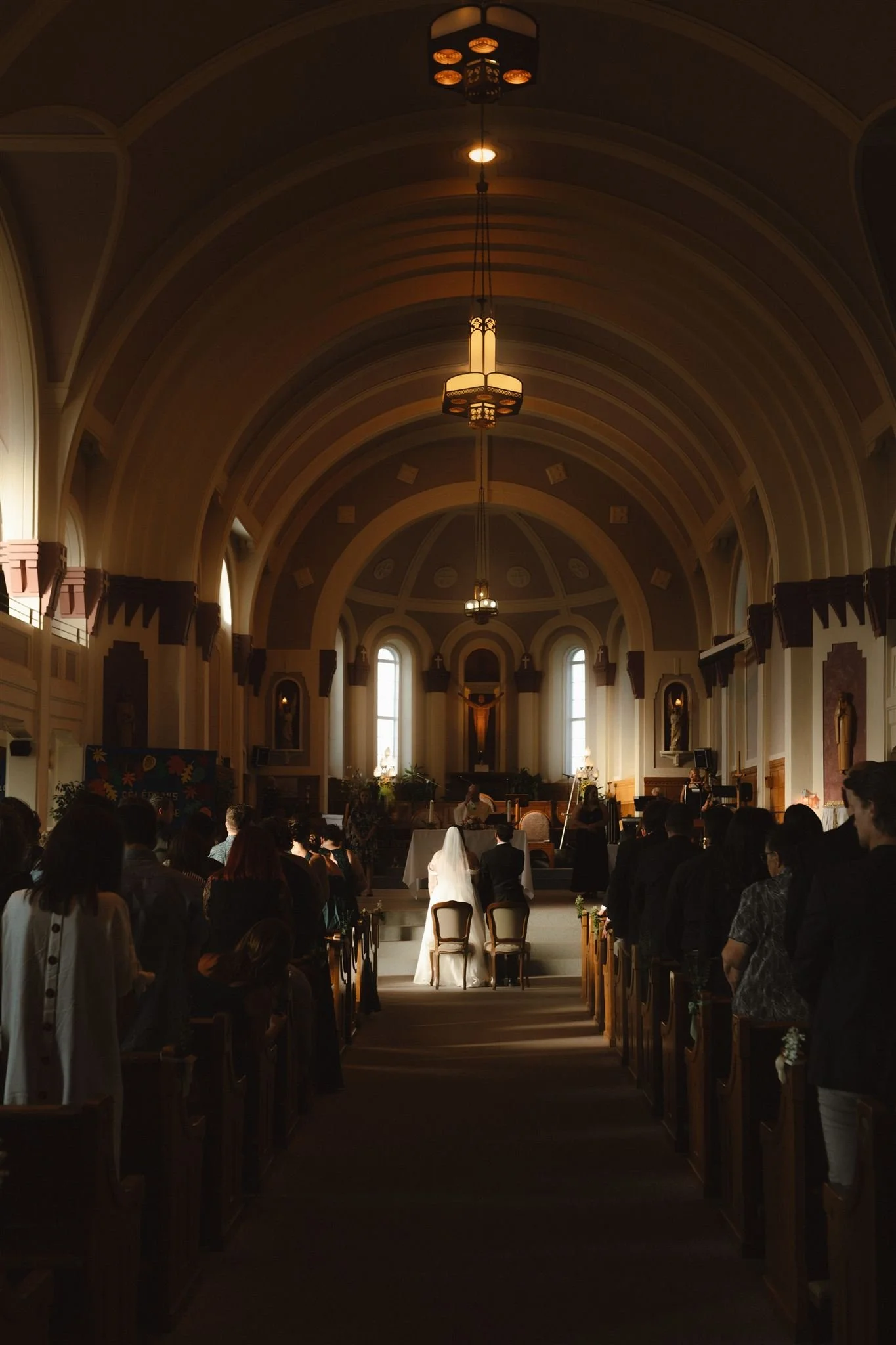
Indoors, large windows or balanced architectural lighting make a considerable difference, adding softness and depth to images. If your indoor venue is very dark, it is important to check with the officiant whether the use of flash is permitted. Some churches or ceremony venues do not allow it, which can affect the quality and atmosphere of your photos.
Golden hour and blue hour: two magical lights for your portraits
Certain types of lighting are particularly popular in wedding photography for their softness and depth.
The golden hour
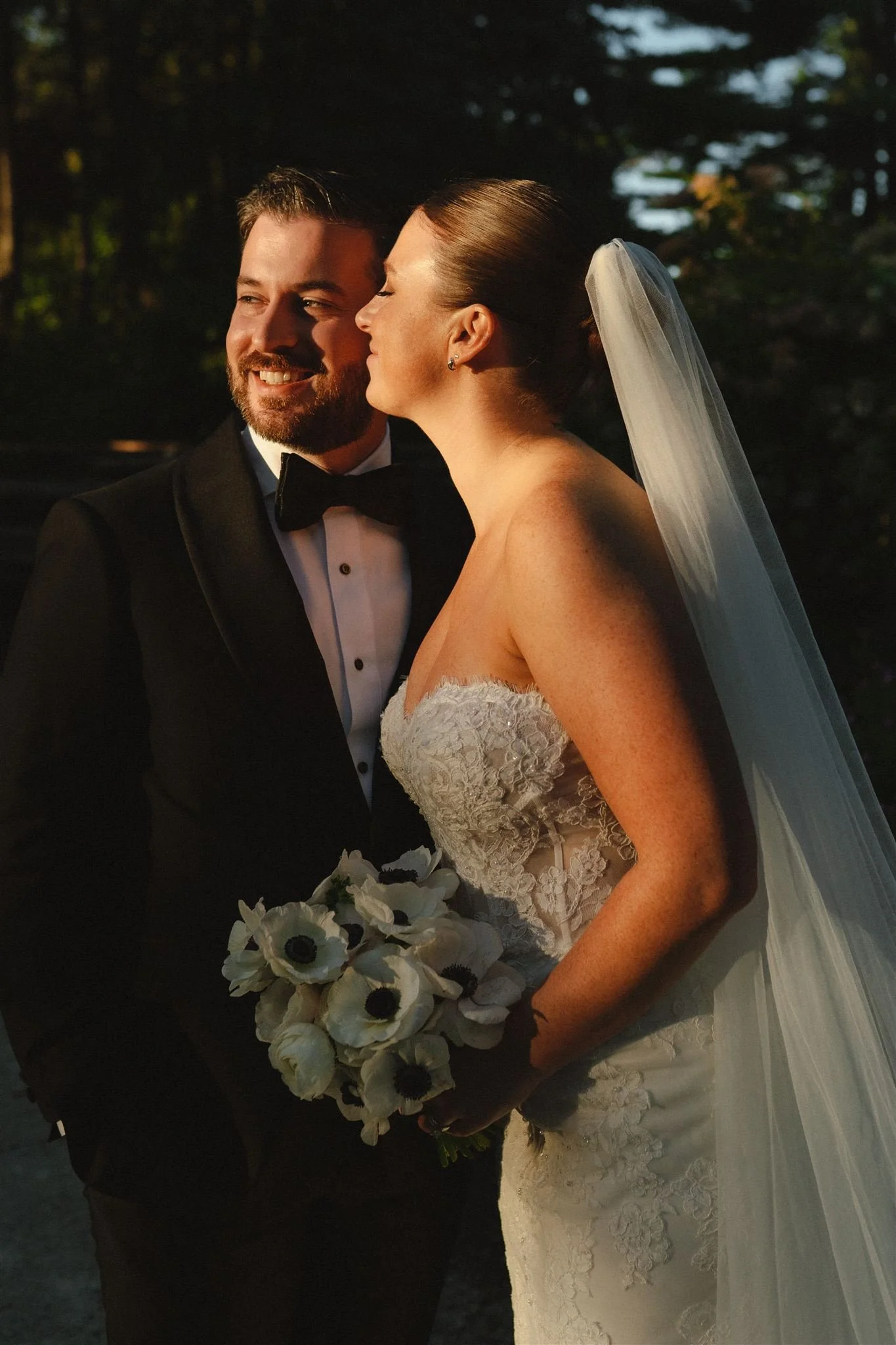
The golden hour is when the sun is low on the horizon and casts a warm, golden, enveloping light.
This light creates:
luminous and flattering skin tones
long, natural shadows
a romantic and cinematic atmosphere
a warm and timeless feeling
The blue hour
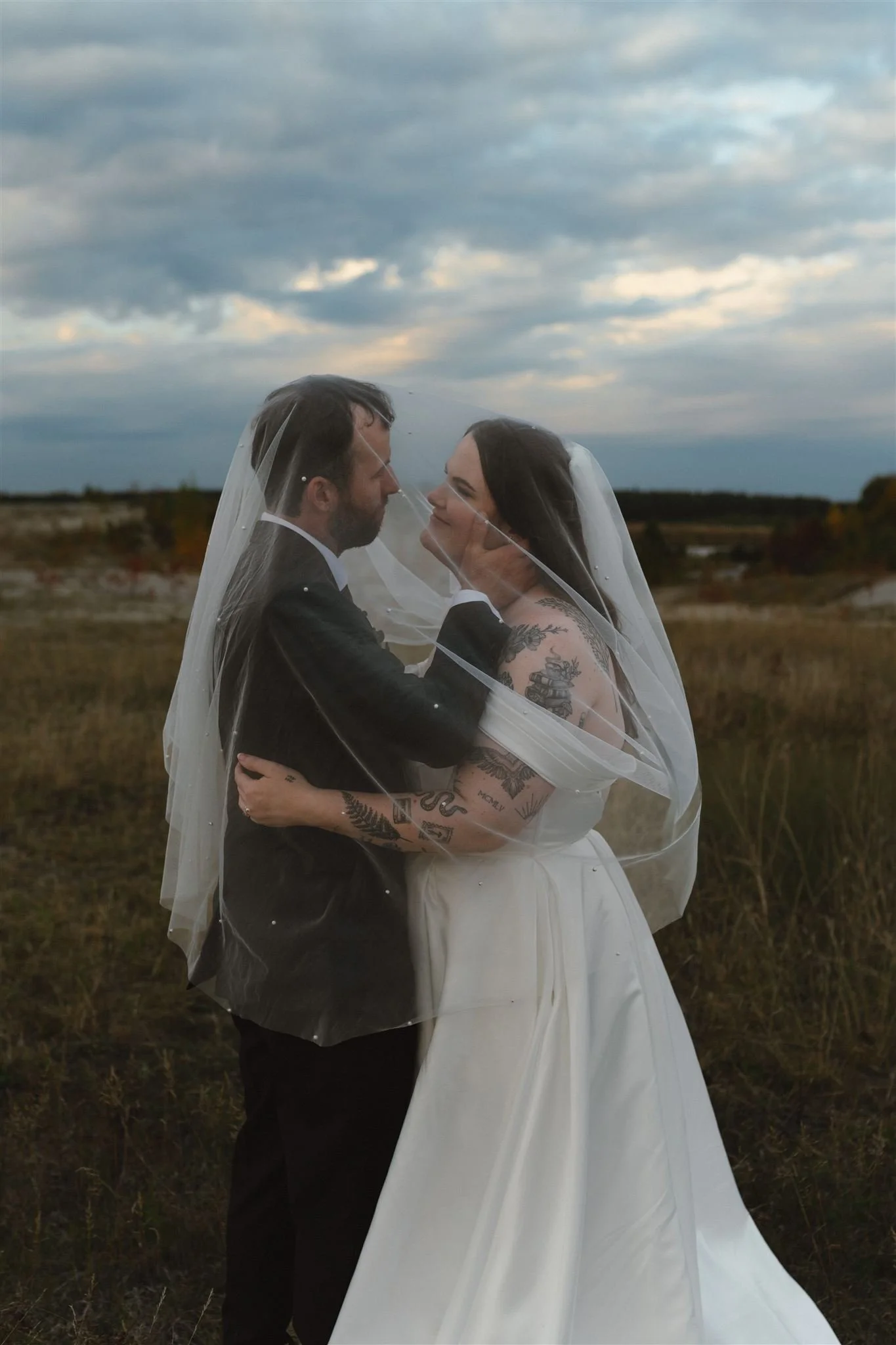
The blue hour occurs just after sunset, when the sky takes on deep blue hues.
This light offers:
a more dramatic and artistic atmosphere
a subtle contrast between the sky and ambient lighting
a romantic and cinematic atmosphere
Light at the reception desk
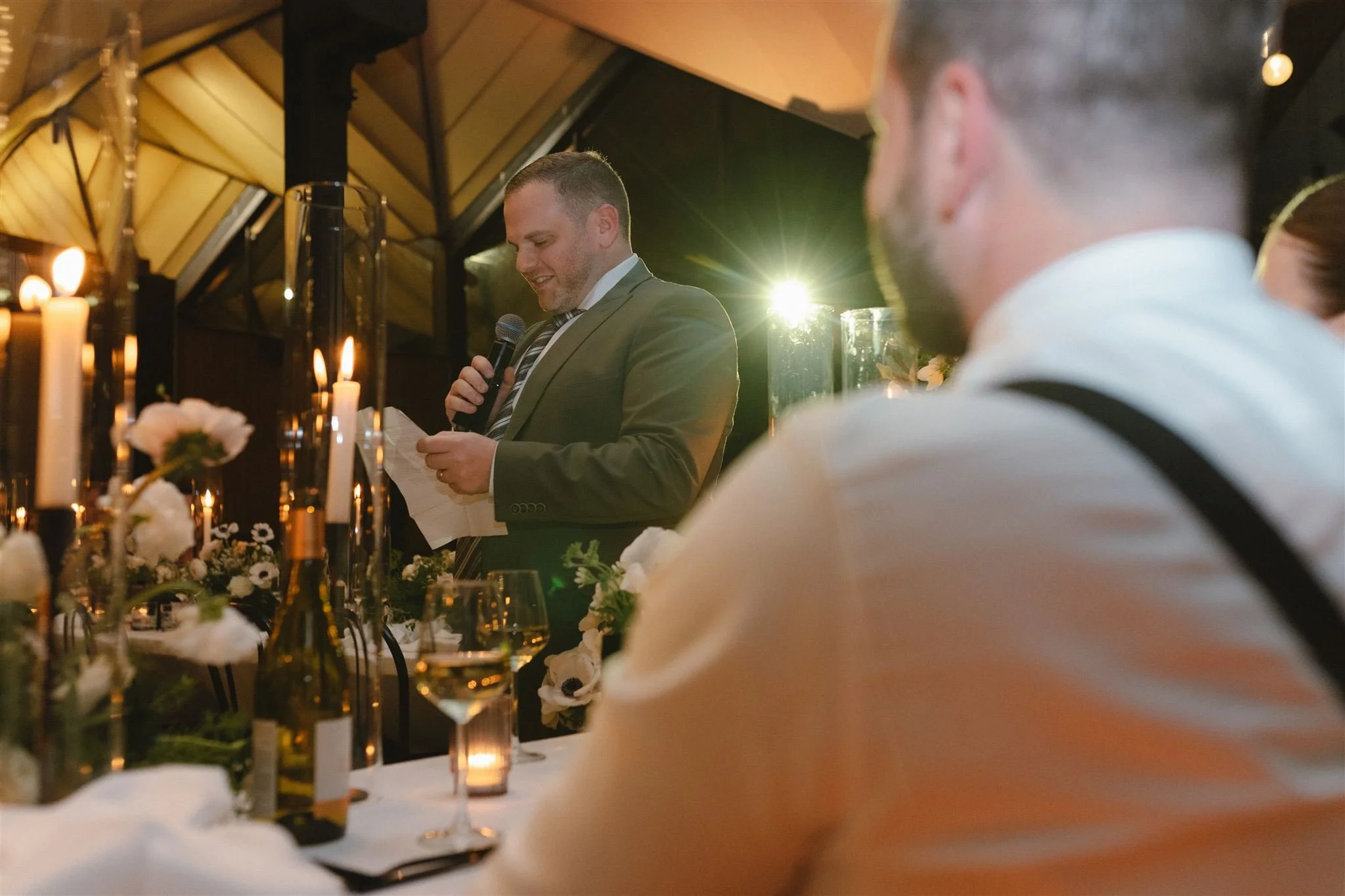
During the reception, the DJ plays a key role in setting the mood in the room with their lighting setup. Feel free to discuss the available options with them. I recommend avoiding overly colorful lights such as purple, pink, green, or blue, and opting instead for a warm atmosphere with warm white or orange tones.
Candles, pendant lights, and soft lighting help create an elegant and intimate atmosphere. The more ambient light sources a space has, the more cozy and sophisticated your photos will look.
Even in a darker room, light can be manipulated to preserve depth, texture, and elegance, giving your images a timeless quality.
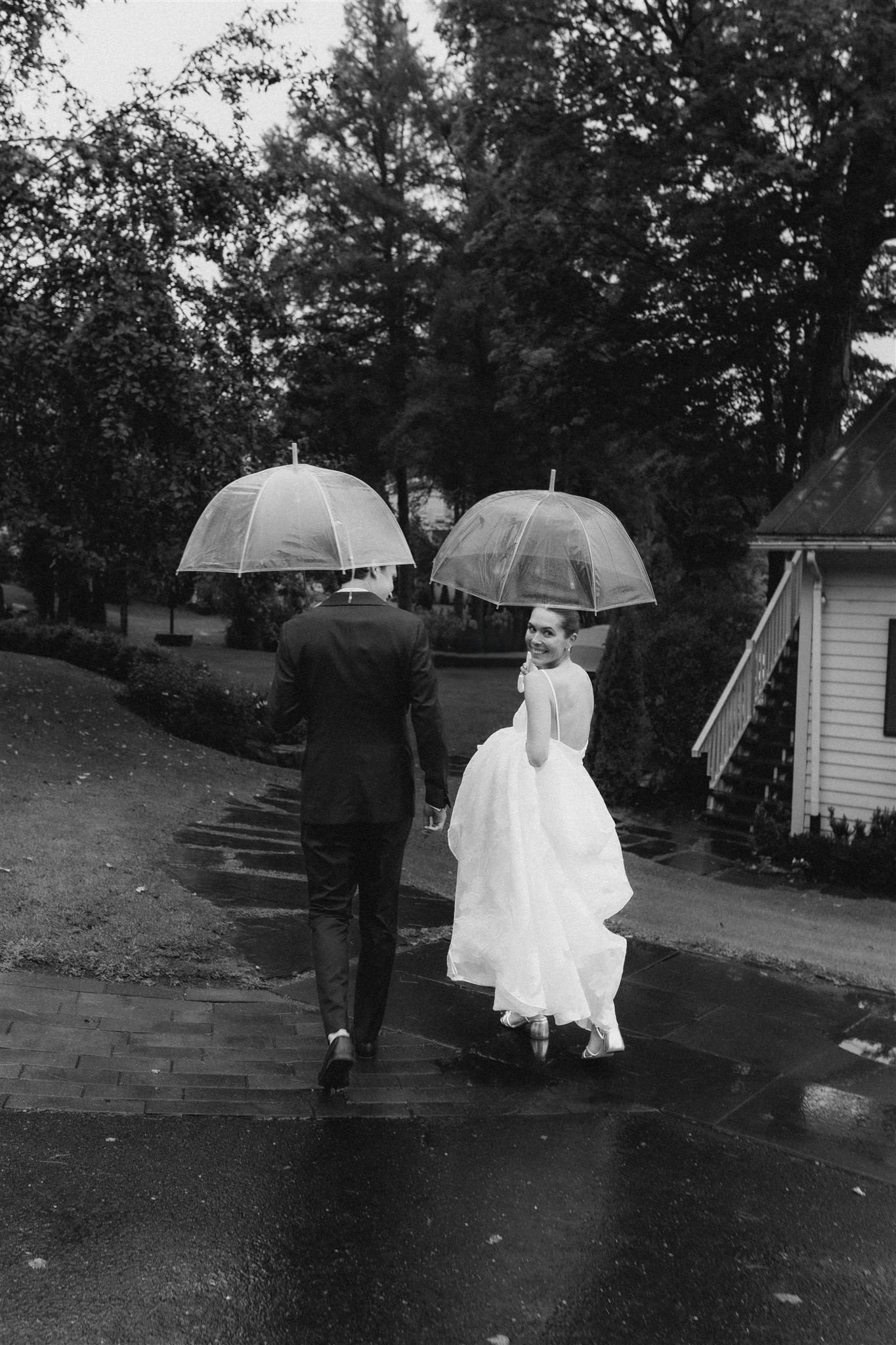
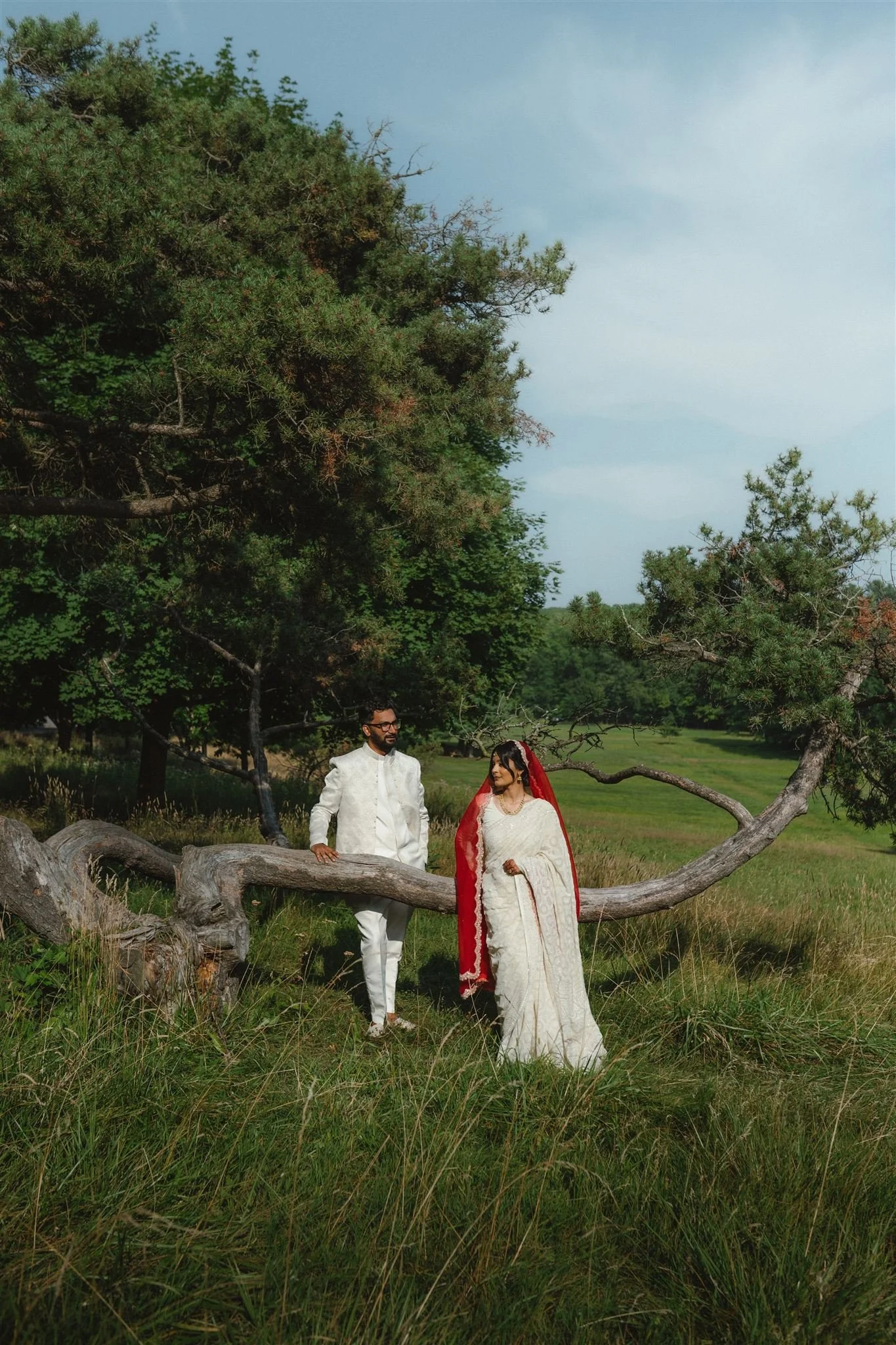
Sunny or rainy day: every kind of light has its charm.
☀️ A sunny day brings brightness and warmth, but requires special attention to sharp shadows.
🌧 A cloudy day often provides diffused light, which is extremely flattering for skin and portraits.
Every type of weather has its own beauty. The important thing is to observe the light and adapt the locations and times accordingly. A good photographer will be able to adapt to all weather conditions.
Choose your locations with lighting in mind
When you select:
the place of preparations
the ceremony
the cocktail
the reception
Take the time to analyze the natural light.
Ask yourself these questions:
Are there large windows?
Are the ceilings high?
Do the walls reflect light well?
Is the space bright even on cloudy days?
A very dark room or one lit only by neon lights will completely transform the visual atmosphere.
Light directly influences the quality, softness, and elegance of your images.
In conclusion
Your wedding is unique, and so is its light. Every moment, from the preparations to the ceremony, from the couple portraits to the reception, has its own atmosphere. Observing, understanding, and using this light allows us to create natural, luminous, elegant, and timeless photos.
Choosing a good photographer is essential: they will be able to adapt to all lighting conditions, guide you, anticipate changes, and accompany you throughout your day. It is this collaboration that guarantees harmonious, authentic, and high-quality images that perfectly reflect the emotion and beauty of your wedding.